Michele Matthews

Michele Matthews

How Do You Know If a Cleanup Company Is Actually Qualified?

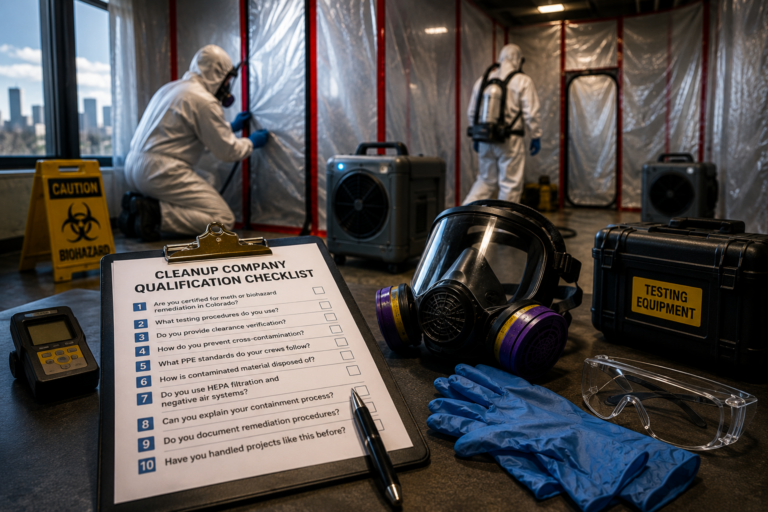
Not all cleanup companies are qualified to handle biohazard, methamphetamine, trauma, or hazardous contamination remediation safely. In Colorado, property owners should verify certifications, testing procedures, containment protocols, safety standards, and remediation experience before hiring a cleanup company. Knowing what questions to ask can help prevent liability, failed remediation, and dangerous long-term contamination issues.

What Goes Into a Biohazard Cleanup? Colorado Safety Protocols & Certification Requirements

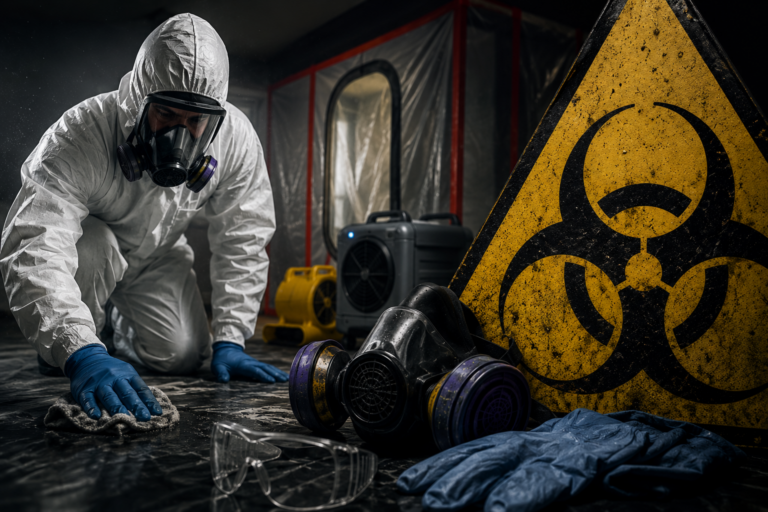
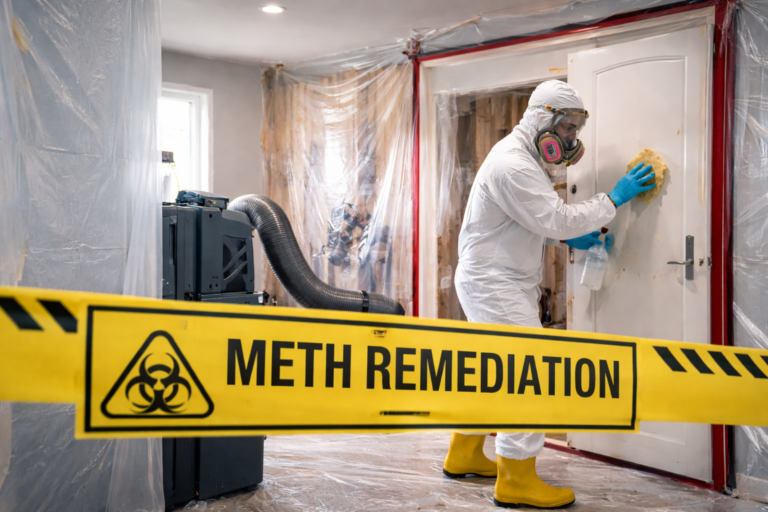
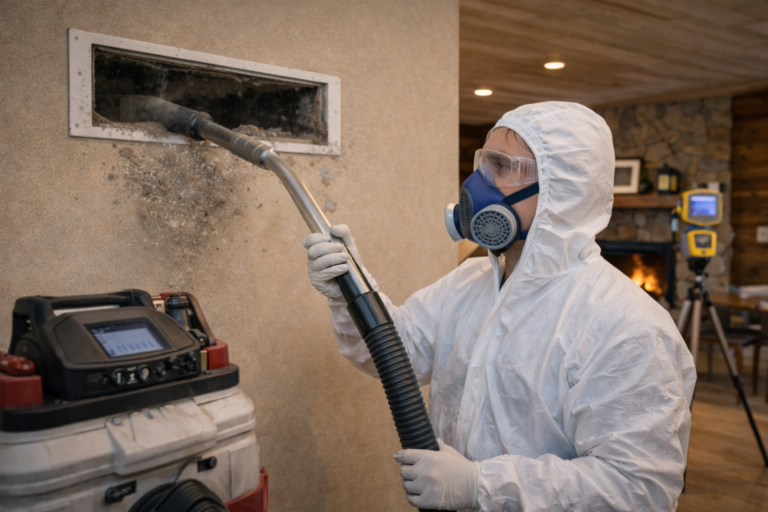
Biohazard cleanup is far more than surface cleaning. In Colorado, certified remediation professionals must follow strict safety procedures, hazardous-material handling standards, PPE requirements, containment protocols, and state regulations—especially when dealing with methamphetamine contamination, trauma scenes, bloodborne pathogens, or chemical hazards. Understanding why certification matters can protect property owners, occupants, and entire communities from dangerous long-term exposure.

Is Mold in Your Kitchen Sink a Hidden Health Risk?

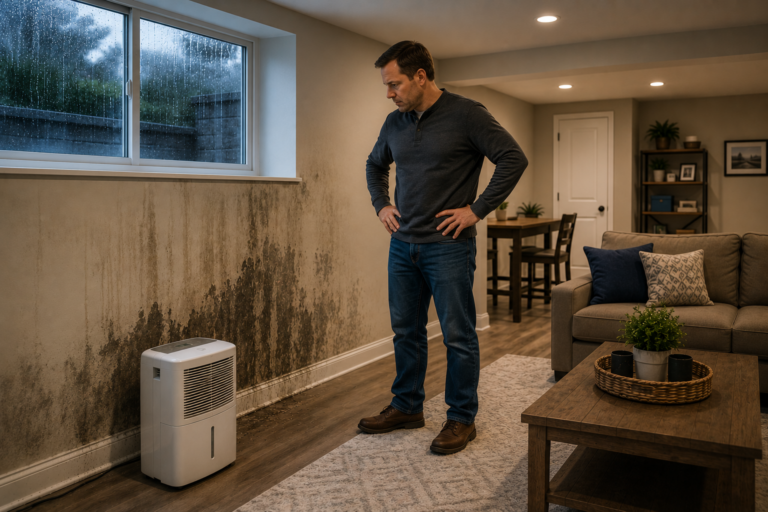
Mold is not just gross; it can impact your health in ways you might not expect. Mold in your sink can produce allergens that may trigger reactions in sensitive individuals. You or your family might experience sneezing, runny noses, or itchy eyes without realizing mold is the culprit. In severe cases, mold exposure could lead to respiratory issues or aggravate asthma.

What Are the Health Risks of Living in a Meth-Contaminated Home?

Family living room with children's toys on the floor, coloring books and crayons on the coffee table, and stuffed animals on the couch illustrating a typical home environment where meth residue contamination could expose children.

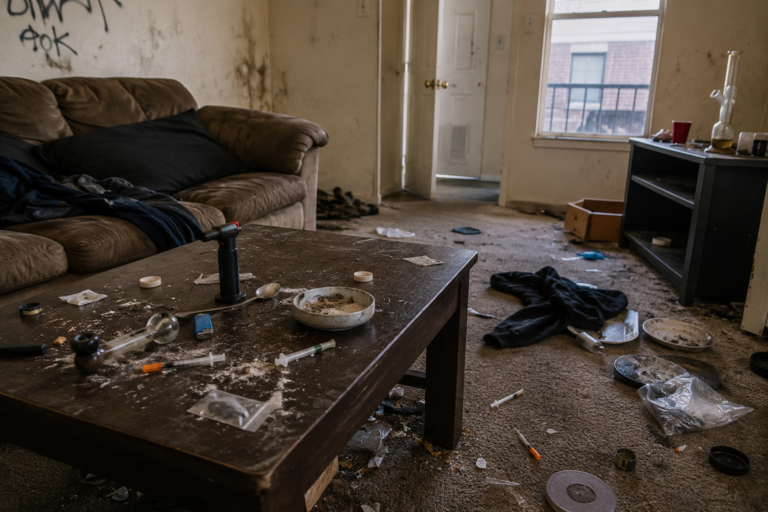
Living in a meth-contaminated home can expose occupants to toxic chemical residues that persist in walls, carpets, HVAC systems, and household dust. These residues can be absorbed through the skin, inhaled as contaminated dust, or accidentally ingested—causing respiratory irritation, neurological symptoms, behavioral changes, and long-term health concerns, particularly for children. Professional remediation is often required to remove contamination and restore a safe living environment.