
What Really Happens During a Biohazard Cleanup?
Most people think biohazard cleanup is simply “cleaning up a dangerous mess.”
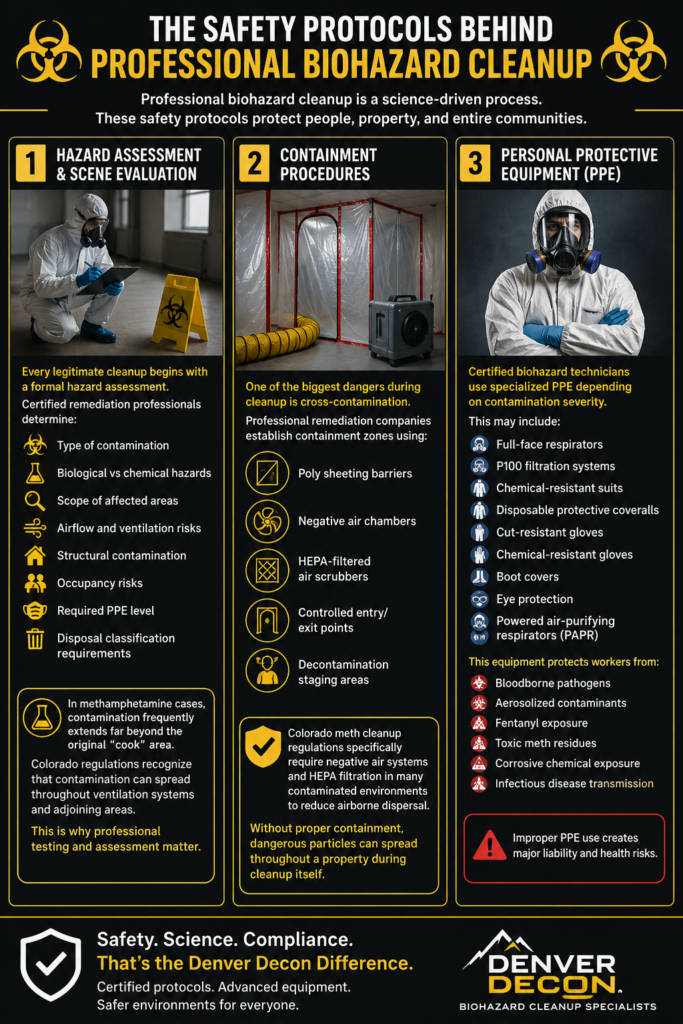
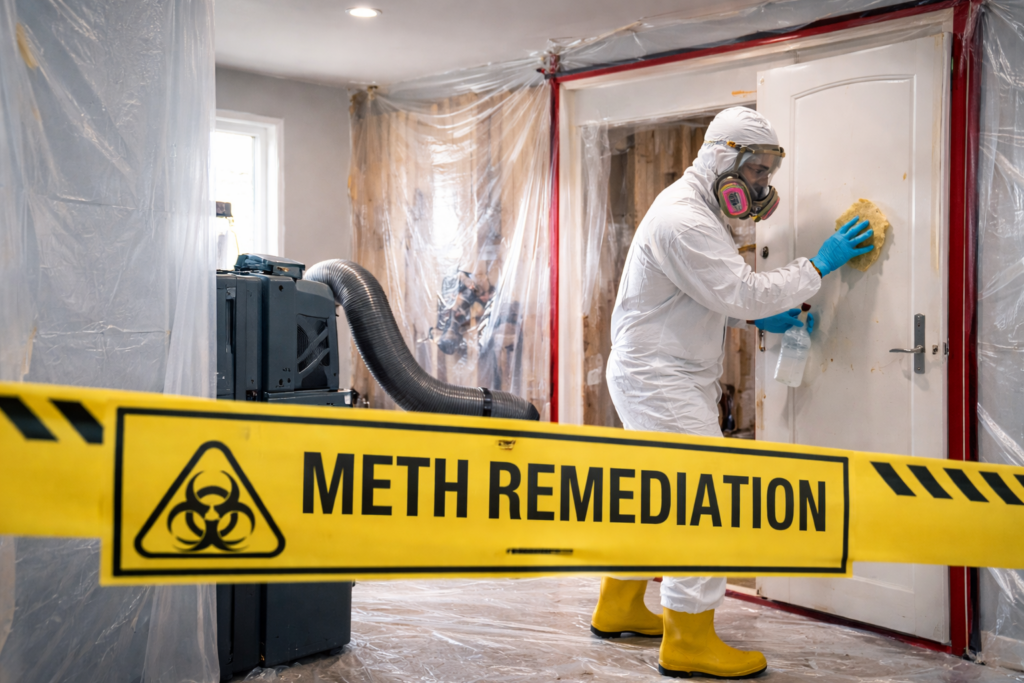
In reality, professional biohazard remediation is a tightly controlled process involving hazardous-material containment, contamination mapping, industrial-grade protective equipment, environmental testing, and legal compliance.
Whether it’s a trauma scene, unattended death, sewage contamination, fentanyl exposure risk, or methamphetamine contamination, the stakes are extremely high. Improper cleanup can expose future occupants, workers, landlords, buyers, or tenants to dangerous biological and chemical residues for years after the visible damage appears gone.
In Colorado, this becomes even more critical because methamphetamine-contaminated properties are regulated under specific state laws and cleanup standards established by the Colorado Department of Public Health and Environment (CDPHE).
For companies like Denver Decon, certification is not marketing fluff — it is a legal, operational, and public-health necessity.
Why Biohazard Cleanup Is Different From Standard Cleaning
A janitorial company cleans surfaces.
A certified biohazard remediation company restores environments that may contain:
- Bloodborne pathogens
- Infectious biological waste
- Drug residue contamination
- Airborne particulate hazards
- Volatile chemical compounds
- Human decomposition contaminants
- Bodily fluids
- Sharps and medical waste
- Hazardous airborne toxins
- Methamphetamine residues embedded in porous materials
The difference is enormous.
Professional remediation teams must evaluate:
- Exposure pathways
- Cross-contamination risks
- HVAC contamination
- Porous material saturation
- Aerosolized particles
- Long-term occupant safety
- Environmental disposal requirements
- Clearance testing requirements
One missed step can leave contamination hidden inside:
- Drywall
- HVAC systems
- Insulation
- Subfloors
- Ventilation ducts
- Attics
- Crawlspaces
- Porous furniture and textiles
Also Read ☣️How Do Buyers Discover Meth Contamination During Home Inspections?
Meth Lab Cleanup: Why Colorado Regulations Are So Strict
Colorado has some of the nation’s more structured methamphetamine remediation requirements.
Under Colorado regulations:
- Only properly certified individuals may perform meth contamination assessment or decontamination.
- Firms must maintain state approval and use certified workers.
- Cleanup must follow specific decontamination procedures and clearance standards.
- HVAC systems require specialized decontamination procedures.
Colorado’s regulations were developed because meth contamination creates long-term health risks, especially for children and vulnerable occupants.
Also Read 📖What Are the Health Risks of Living in a Meth-Contaminated Home?
Colorado Certifications That Matter
CDPHE Methamphetamine Certification
Colorado requires certification categories including:
- Decontamination Worker
- Decontamination Supervisor
- Consultant
- Ventilation Contractor
These certifications exist under Colorado’s Cleanup of Methamphetamine-Affected Properties regulations (6 CCR 1014-3).
This is not optional compliance.
Without proper certification:
- Cleanup may not legally qualify
- Clearance testing may be invalid
- Property transfers may be impacted
- Liability exposure increases
- Occupancy approvals may fail
OSHA HAZWOPER Training
Professional remediation crews commonly maintain OSHA HAZWOPER training for hazardous-material operations.
Colorado application requirements specifically reference HAZWOPER compliance for firms conducting methamphetamine decontamination work.
HAZWOPER training includes:
- Hazard recognition
- Chemical exposure safety
- Respiratory protection
- Site control
- Emergency response
- Decontamination procedures
- PPE selection
This training helps protect both technicians and occupants.
Why Clearance Testing Matters
A property is not considered safe simply because it “looks clean.”
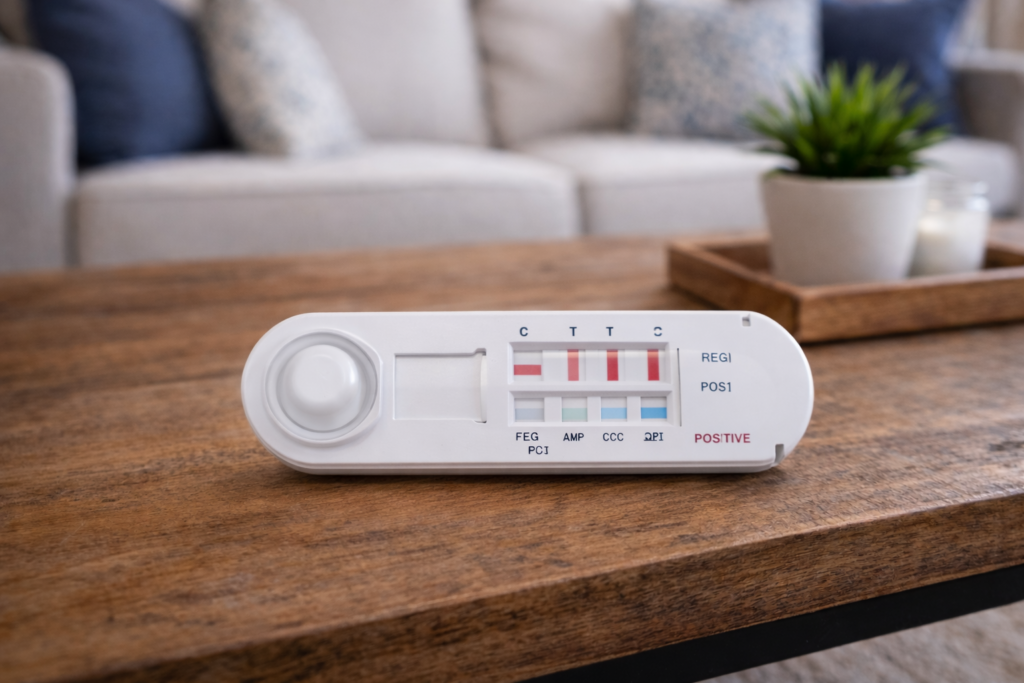
Professional remediation includes:
- Surface sampling
- Wipe testing
- Air quality evaluation
- Chemical residue analysis
- Laboratory verification
Colorado regulations establish cleanup standards that properties must meet before clearance can be documented.
This is especially important in:
- Rental properties
- Real estate transactions
- Apartment buildings
- Hotels
- Commercial buildings
- Vehicles exposed to meth contamination
Without documented clearance testing, contamination disputes can become expensive legal problems later.
Also Read ☣️How Meth Testing and Clearance Affect Real Estate Transactions in Colorado
Why DIY Cleanup Can Become Dangerous
Imagine a landlord discovers a former tenant was using methamphetamine inside a rental property.
The walls are repainted. Carpets are replaced. The property smells better.
But the HVAC system was never professionally cleaned. Meth residues remain inside ductwork and porous materials. Months later, new tenants begin reporting headaches and respiratory irritation.
The landlord now faces:
- Potential disclosure issues
- Liability exposure
- Re-cleanup costs
- Occupancy delays
- Reputation damage
Colorado regulations exist specifically to prevent these situations.
Why Professional Documentation Is Becoming More Important
Biohazard remediation is increasingly tied to:
- Insurance documentation
- Property transactions
- Health and safety compliance
- Risk management
- Environmental liability
- Tenant protection
Future buyers, tenants, insurers, and commercial property stakeholders increasingly expect documented remediation from certified professionals — not informal cleanup receipts.
This trend is accelerating across:
- Property management
- Hospitality
- Multifamily housing
- Commercial facilities
- Vehicle resale
- Real estate transactions
The Denver Decon Difference
Professional biohazard remediation companies like Denver Decon understand that cleanup is not just about appearance — it’s about safety, compliance, and restoring environments responsibly.

Proper remediation requires:
- Certified personnel
- Industrial-grade equipment
- Regulatory compliance
- Structured containment
- Professional documentation
- Scientific testing
- Safe disposal procedures
- Occupant protection protocols
When dangerous contamination is involved, cutting corners is never worth the risk.
What To Do Next...
Biohazard cleanup is one of the most technically demanding forms of environmental remediation. Behind every properly restored property is a structured process involving containment, PPE, hazardous-material handling, decontamination science, and strict regulatory compliance.
Colorado’s methamphetamine remediation laws exist for a reason: contamination can remain hidden long after visible evidence disappears.
That’s why certification matters.
And it’s why professional remediation should always be handled by trained, compliant experts who understand the science, safety requirements, and legal standards involved.
If you suspect a property may contain biological or chemical contamination, Denver Decon can help assess the situation safely, professionally, and in accordance with Colorado requirements.
10 FAQs
1. What qualifies as a biohazard cleanup?
Biohazard cleanup involves the safe remediation of environments contaminated by biological or hazardous materials such as blood, bodily fluids, infectious waste, drug residue, or chemical contaminants.
2. Does Colorado regulate meth lab cleanup?
Yes. Colorado regulates methamphetamine-affected property cleanup under 6 CCR 1014-3 and related statutes.
3. Can anyone clean a meth-contaminated property in Colorado?
No. Colorado requires certified individuals and approved firms for methamphetamine assessment and decontamination work.
4. Why is HEPA filtration used during remediation?
HEPA filtration helps capture hazardous airborne particles and reduces contamination spread during cleanup.
5. What is HAZWOPER training?
HAZWOPER is OSHA hazardous-waste operations and emergency-response training designed for workers exposed to dangerous substances.
6. Can meth contamination stay in HVAC systems?
Yes. HVAC systems frequently retain contamination and often require specialized decontamination procedures.
7. Is surface cleaning enough after meth contamination?
No. Professional remediation may require testing, removal of contaminated materials, HVAC treatment, and clearance sampling.
8. Why does certification matter in biohazard cleanup?
Certification helps ensure technicians understand hazardous-material safety, contamination control, legal compliance, and proper remediation protocols.
9. What happens if contamination is not properly removed?
Improper cleanup can lead to long-term health risks, liability exposure, failed inspections, and future property disputes.
10. Does Denver Decon handle certified remediation work?
Denver Decon provides professional biohazard remediation services designed to meet applicable safety and regulatory requirements.