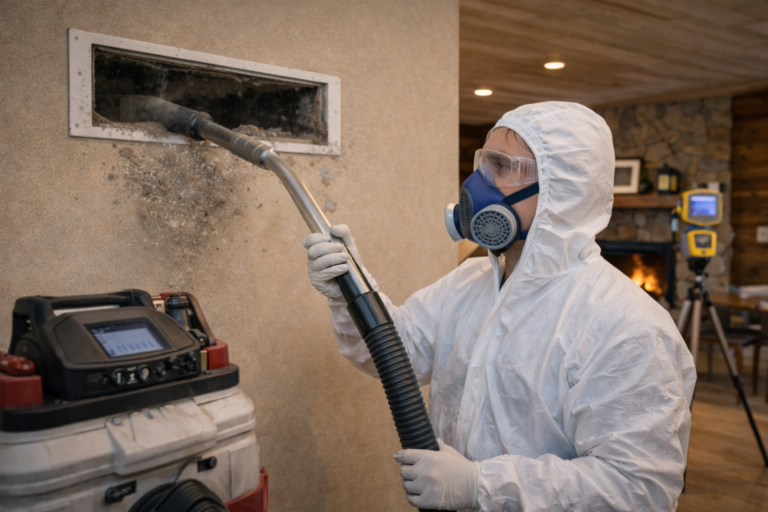
Why Isn’t Air Quality Testing Alone Enough After Biohazard Cleanup?

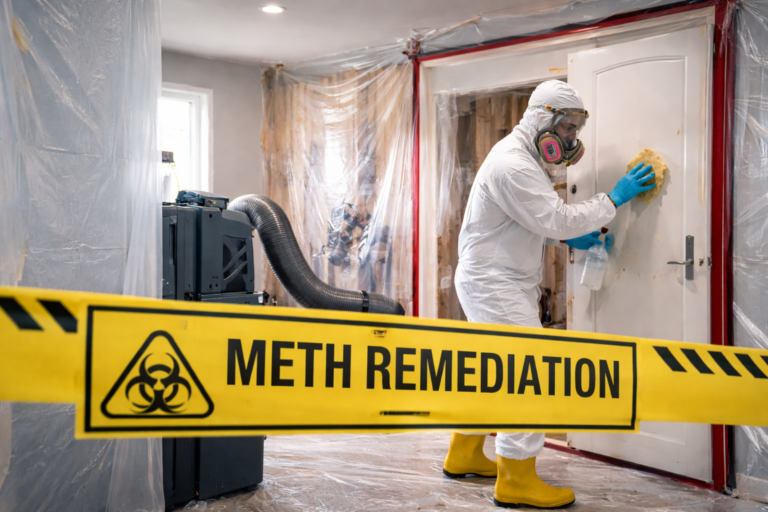
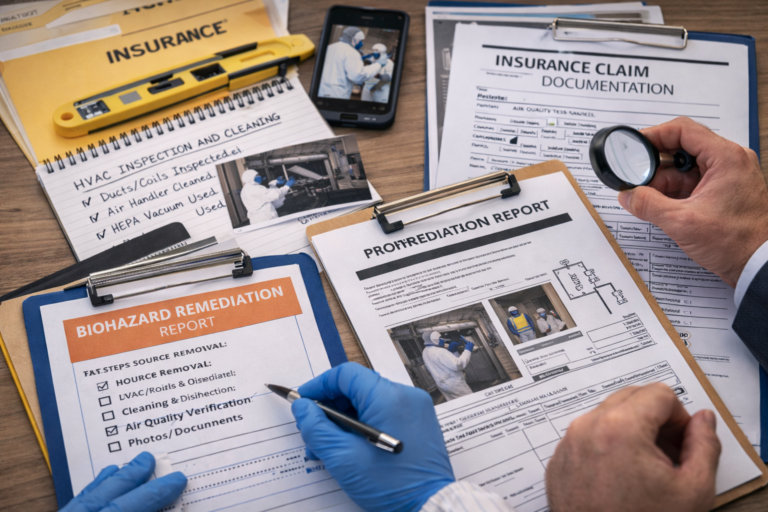
Air quality testing alone cannot confirm full biohazard remediation. Hidden contamination in HVAC systems and materials can cause ongoing health and liability risks.

Air quality testing alone cannot confirm full biohazard remediation. Hidden contamination in HVAC systems and materials can cause ongoing health and liability risks.

HVAC systems can spread mold, smoke residue, biological contaminants, and odors after biohazard events. Learn why professional air system cleaning is critical for health, safety, and compliance.

In Colorado, mold and odor risks spike for different reasons depending on the season—winter traps moisture indoors through heating and closed buildings, while summer introduces humidity, storm water intrusion, and rapid microbial growth. Understanding these seasonal triggers helps property owners prevent damage before it becomes a remediation event.

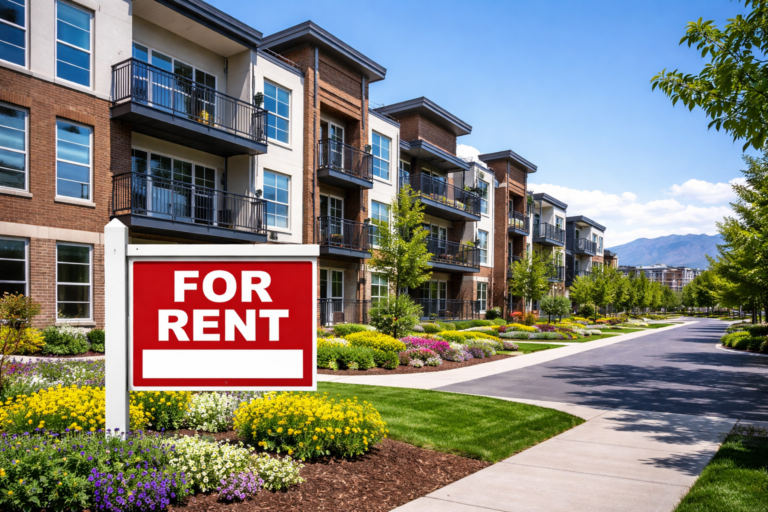
Hidden odors quietly erode property value, increase vacancy rates, delay leasing, and trigger tenant turnover. For landlords and property managers, unresolved smells represent measurable financial loss, legal exposure, and reputational damage that professional odor remediation can prevent.

Cannabis odor impacts indoor air quality by releasing persistent smoke compounds that embed into building materials and HVAC systems. Professional remediation neutralizes these compounds at the molecular level, restoring safe, compliant indoor environments.

Discover the hidden risks of mold growth in Colorado homes, early warning signs, and how professional remediation protects health, property, and indoor air quality.