
Why Meth Contamination Sometimes Appears During the Home Buying Process
Most homebuyers worry about structural issues, roof damage, or plumbing failures during inspections. Very few realize that drug contamination — particularly methamphetamine residue — can also affect a property’s safety and value.
Meth contamination may occur when a home has been used for:
• Methamphetamine manufacturing
• Long-term meth smoking or heavy drug use
• Improper chemical storage connected to drug activity
Residues from these activities can remain on walls, ceilings, HVAC systems, carpets, and surfaces for years. In some cases, contamination is only discovered after an inspector notices warning signs during the due-diligence phase of a real estate transaction.
When concerns arise, buyers may need environmental meth testing to determine whether the home is safe to occupy.
What Do Inspectors Look for in Suspected Meth Houses?
Home inspectors are not drug investigators, but experienced professionals sometimes notice patterns that suggest a property may have been used for drug activity.
Potential indicators can include:
Chemical Odors
Persistent chemical or solvent smells may indicate residue from substances used in meth production.
Common reported odors include:
• Ammonia
• Solvents or acetone
• Cat urine–like odors (from ammonia compounds)
However, odor alone is not proof of contamination.
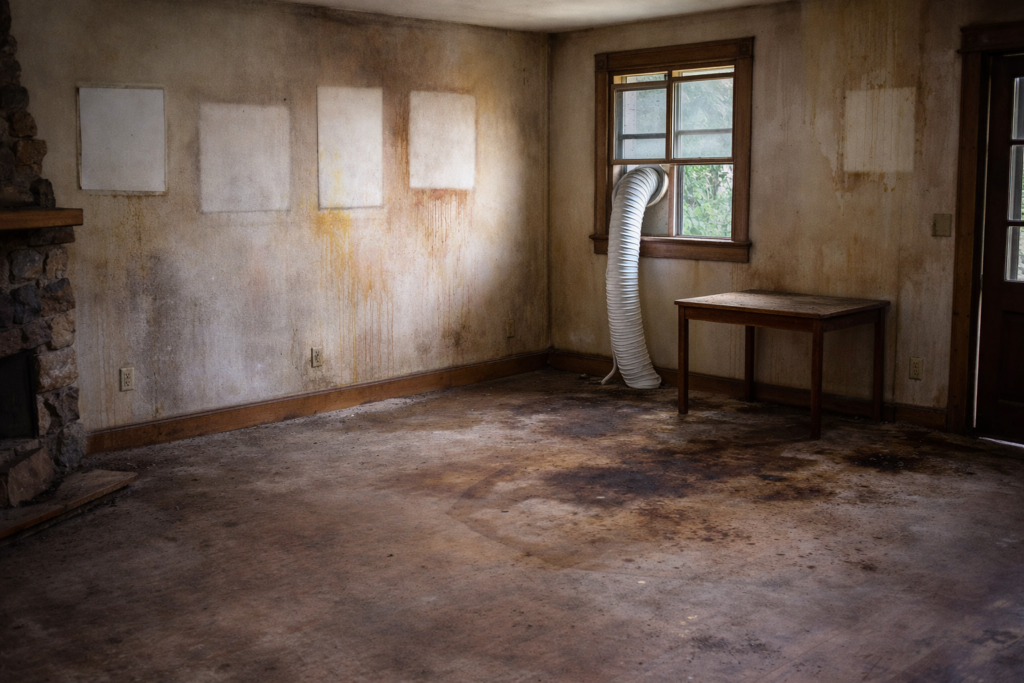
Unusual Ventilation Modifications
Meth production often requires ventilation systems to disperse chemical fumes.
Inspectors sometimes notice:
• Improvised exhaust fans
• Holes in walls or ceilings for venting
• Modified ductwork or ventilation pathways
These alterations may prompt further investigation.
Stained Walls or Discoloration
Chemical reactions from meth production can leave yellow, brown, or bluish stains on surfaces.
These stains may appear on:
• Walls
• Ceilings
• Cabinets
• Bathroom fixtures
Such discoloration may resemble smoke damage or nicotine staining, making it easy to overlook.
Burn Marks or Chemical Damage
Certain meth production methods can leave burn patterns or chemical corrosion on surfaces.
Inspectors may note:
• Burned countertops
• Damaged flooring
• Chemical etching on sinks or tubs
These signs are not definitive but may suggest the need for further testing.
Why Standard Home Inspections Often Miss Meth Contamination

Traditional home inspections focus on structural safety, building systems, and visible defects. They are not designed to detect invisible environmental hazards such as drug residue.
Typical inspections do not include:
• Chemical residue testing
• Surface contamination sampling
• Laboratory analysis of environmental toxins
Because meth contamination is microscopic, a house can appear clean and renovated while still containing dangerous residues.
This is why many inspectors include disclaimers stating they do not test for drug contamination.
Also Read 📖Colorado Law Requirement After a Property Tests Positive for Meth
When Specialized Meth Testing Is Recommended
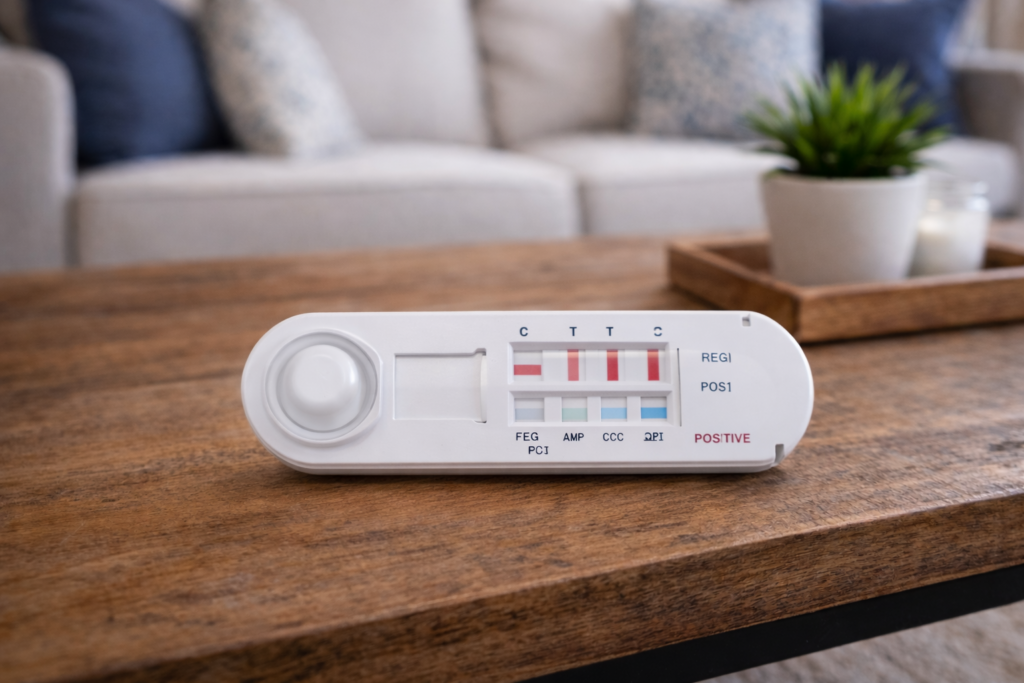
Environmental testing becomes important when there is any reason to suspect past drug activity.
Common triggers for meth testing include:
• Inspector observations of suspicious modifications
• Disclosure from sellers about past drug activity
• Information from neighbors or prior tenants
• Law-enforcement reports connected to the property
• Visible damage consistent with chemical exposure
In Colorado, confirmed meth contamination may require professional remediation before a home can legally be reoccupied or sold in certain circumstances.
Testing is typically performed using surface wipe sampling, where samples are collected and analyzed in accredited laboratories to determine whether meth residue exceeds health safety thresholds.
Also Read 📖
The Role of Environmental Consultants in Meth Investigations
When contamination is suspected, buyers often turn to environmental consultants or specialized remediation companies.
These professionals may provide:
• Certified meth contamination testing
• Laboratory analysis and documentation
• Health-risk evaluation
• Remediation planning
• Clearance testing after cleanup
Environmental consultants also help ensure that testing methods comply with state guidelines, which can be critical during real estate transactions.
What Happens If Meth Contamination Is Found?
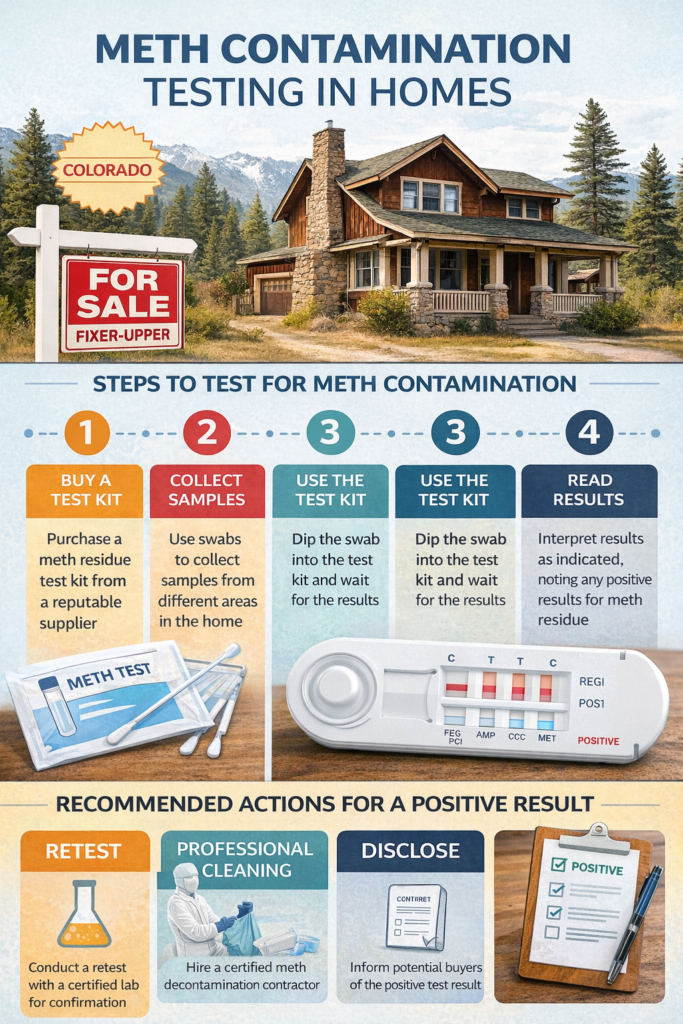
Discovery of contamination does not always mean a property must be abandoned.
However, it does typically require:
• Professional decontamination
• Verification testing
• Documentation confirming the property meets health standards
Until proper remediation occurs, occupancy may be unsafe — especially for children, pregnant individuals, or people with respiratory conditions.
Residues can remain on porous materials like drywall, insulation, and carpeting, requiring specialized cleanup procedures.
Also Read 📖Colorado Law Requirement After a Property Tests Positive for Meth
Why Early Detection Protects Homebuyers
Identifying contamination before closing on a home purchase can prevent major financial and health consequences.
Meth remediation can cost thousands of dollars depending on contamination levels and the size of the property.
Early detection allows buyers to:
• Renegotiate purchase terms
• Require seller remediation
• Withdraw from the purchase if necessary
• Protect future occupants from chemical exposure
Because meth contamination is invisible, environmental testing is often the only reliable method for confirmation.
When Buyers Contact Denver Decon

When contamination concerns arise during a real estate transaction, buyers and inspectors often need fast, reliable testing and guidance.
Denver Decon helps property owners, buyers, and real estate professionals with:
• Professional meth contamination testing
• Environmental inspection support
• Certified remediation services
• Clearance testing to verify safety after cleanup
If a home inspection raises questions about possible drug contamination, specialized environmental testing can provide the answers needed to move forward safely.
Conclusion
Meth contamination is an issue many homebuyers never consider — until something unusual appears during a property inspection. Because standard inspections are not designed to detect drug residue, warning signs such as chemical odors, unusual modifications, or suspicious damage may prompt further environmental testing.
Specialized meth contamination testing helps determine whether a property is safe and whether remediation is required. For buyers navigating real estate due diligence, early detection and professional evaluation are essential for protecting both health and investment.
FAQs
1. Can a home inspector detect meth contamination?
Most home inspectors cannot directly detect meth contamination because it requires laboratory testing. Inspectors may only identify suspicious conditions that suggest further environmental testing is needed.
2. What are signs a home may have been used for meth activity?
Possible indicators include strong chemical odors, unusual ventilation systems, chemical stains, burn marks, or reports of prior drug activity associated with the property.
3. Is meth contamination included in a standard home inspection?
No. Standard home inspections focus on structural and mechanical systems. Meth contamination testing requires specialized environmental sampling.
4. How is meth contamination tested in homes?
Testing typically involves surface wipe samples taken from walls, counters, or other surfaces. These samples are analyzed in certified laboratories to measure meth residue levels.
5. Should buyers test for meth contamination during due diligence?
Testing is recommended when there are warning signs of prior drug activity or when a property has a known history connected to meth use or manufacturing.
6. Can a house still be sold if meth contamination is found?
Yes, but the property may require professional remediation and clearance testing before it can be safely occupied or legally transferred in some jurisdictions.
7. How much does meth testing for homes cost?
Costs vary depending on property size and testing scope but typically range from a few hundred to several thousand dollars for full environmental assessments.
8. Can meth residue remain after renovations?
Yes. Cosmetic renovations such as new paint or flooring do not remove chemical residue embedded in building materials.
9. Who performs meth contamination testing?
Environmental consultants and specialized remediation companies perform certified meth testing using approved sampling methods.
10. What should buyers do if contamination is suspected?
Buyers should pause the transaction and request professional environmental testing to determine contamination levels before proceeding.