
Why Meth Remediation Is a Process—Not a Cleanup
When people hear the word remediation, they often imagine aggressive cleaning: scrubbing walls, replacing carpet, fogging the air, and moving on.
That mental model is wrong—and in Colorado, it’s legally dangerous.
Methamphetamine contamination behaves differently than ordinary dirt or odor. The residue is microscopic, chemically adhesive, and migratory. It binds to surfaces, penetrates porous materials, and travels through air systems. Worse, it can reappear over time if not properly removed.
This is why meth remediation is structured as a multi-phase process, not a single event. Each phase exists to reduce risk, prevent cross-contamination, and satisfy clearance testing—not to “make the house look clean.”
The goal is not cosmetic improvement.
The goal is regulatory compliance and future occupancy safety.
Also Read 👉🏻Colorado Law Requirement After a Property Tests Positive for Meth
Phase 1: Assessment and Remediation Planning
Every compliant remediation begins with understanding what is contaminated, how far it spread, and what materials are involved.
This phase typically includes:
• Reviewing test results and sampling locations
• Evaluating room usage and airflow patterns
• Identifying porous vs. non-porous materials
• Assessing HVAC involvement
A remediation plan is then developed that aligns with CDPHE expectations and the anticipated clearance testing methodology.
This plan matters. Clearance consultants don’t just test surfaces—they evaluate whether the remediation approach itself was reasonable and complete.
Poor planning is one of the most common causes of failed clearance.
Phase 2: Containment and Controlled Work Zones
Before any cleaning or removal begins, the property must be stabilized.
Containment prevents meth residue from spreading during remediation. This includes:
• Isolating work areas with physical barriers
• Sealing doorways, vents, and openings
• Establishing clean and dirty zones
• Limiting access to trained personnel
Containment is not optional. Without it, remediation activities can actually worsen contamination by redistributing residue into previously unaffected areas.
This is where professional remediation diverges sharply from DIY efforts.
Phase 3: Negative Air and Airflow Control
Meth remediation is performed under controlled air conditions.
HEPA-filtered negative air machines are used to:
• Capture airborne particulates
• Maintain directional airflow
• Protect adjacent spaces
• Support worker safety
Air scrubbing at this stage is about control, not odor removal. It ensures that what’s being disturbed doesn’t escape the work zone.
Importantly, air scrubbing alone does not remediate meth. It supports the process—it does not replace it.
Phase 4: Removal of Contaminated Materials
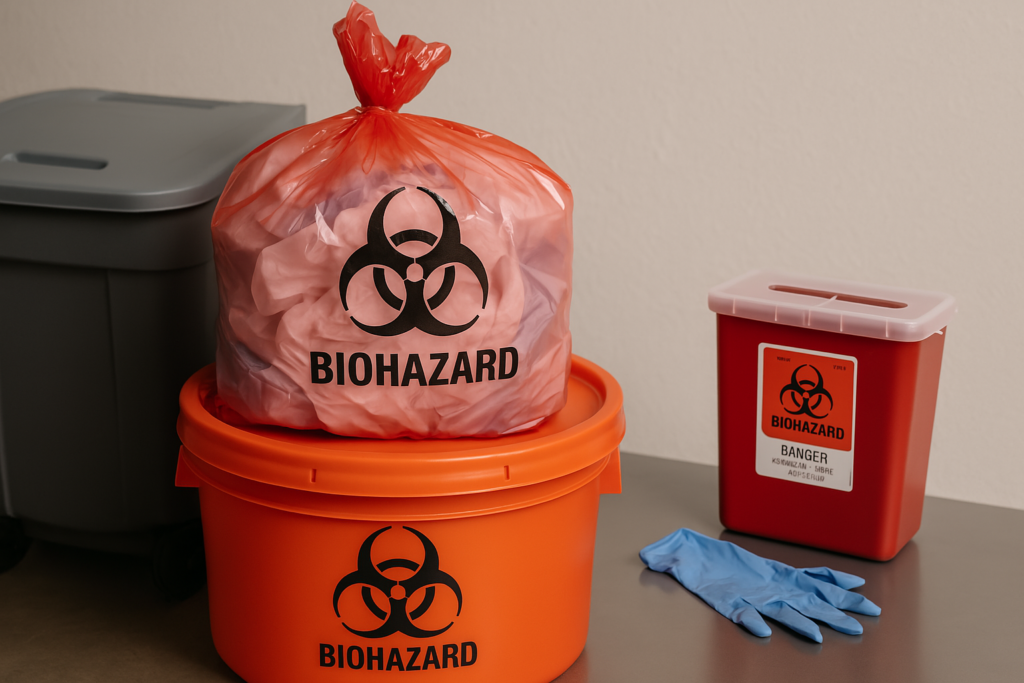
Some materials cannot be safely or reliably cleaned.
Porous materials often require removal, including:
• Drywall
• Insulation
• Carpet and padding
• Upholstered items
• Ceiling tiles
The decision to remove is guided by:
• Contamination levels
• Material type
• Clearance likelihood
Trying to “save” materials that should be removed often results in failed clearance, repeated work, and higher total cost.
Removal is not wasteful—it is risk reduction.
Also Read 👉🏻How to Identify and Remediate Former Meth Lab Properties in Colorado
Phase 5: Detailed Surface Decontamination
Non-porous and semi-porous surfaces are cleaned using specific detergents and controlled methods designed to break meth’s chemical adhesion.
This phase includes:
• Multiple cleaning passes
• Mechanical agitation where appropriate
• Rinse and wipe verification
• Attention to high-contact areas
Surfaces commonly overlooked—but frequently tested—include:
• Door frames
• Light switches
• Cabinet interiors
• Baseboards
• Window sills
This is meticulous work. It is also where shortcuts become obvious during clearance testing.
Phase 6: HVAC System Decontamination
Meth contamination often travels through air systems.
If HVAC involvement is suspected or confirmed, remediation may include:
• Duct cleaning
• Coil and plenum treatment
• Filter replacement
• System isolation during work
Ignoring HVAC contamination is one of the fastest ways to fail clearance—or to create re-contamination after the fact.
A home cannot be considered compliant if contaminated air systems remain untreated.
Phase 7: Post-Remediation Cleaning and Reset
Once active remediation is complete, the property is carefully reset.
This includes:
• Final cleaning of work areas
• Removal of containment
• Visual inspection
• Preparation for clearance testing
At this stage, the home should no longer resemble a remediation site. It should feel calm, neutral, and ready for evaluation.
This is the moment when the property begins its transition back toward normal residential use.
Phase 8: Independent Clearance Testing
Remediation does not end the project. Clearance does.
An independent consultant performs surface wipe sampling to verify:
• Meth levels below 0.5 µg/100 cm²
• Adequate coverage of representative areas
• Compliance with CDPHE standards
Results are documented and retained for real estate, lending, and disclosure purposes.
Without clearance, remediation is incomplete—regardless of effort or cost.
What Proper Remediation Achieves
When performed correctly, meth remediation:
• Restores legal occupancy
• Protects buyers and occupants
• Supports financing and resale
• Reduces long-term liability
• Returns the home to show-ready condition
The end state is not “a former meth house.”
It is simply a house—safe, compliant, and marketable.
Also Read 👉🏻What Do Insurance Companies Look for in Biohazard Remediation Documentation?
Why Professional Execution Matters
Meth remediation is not intuitive. It requires:
• Regulatory knowledge
• Technical discipline
• Documentation awareness
• Respect for clearance testing
DenverDecon approaches remediation with the end in mind: passing clearance and restoring normalcy, not just finishing work.
That difference is what turns a stalled, risky property into a clean, financeable asset.
Conclusion: Process Is Protection
Every step in meth remediation exists for a reason. Skipping steps doesn’t save time—it creates risk.
In Colorado, proper remediation is not about doing “enough.”
It’s about doing it right, so the home can safely return to the market and stay there.
(FAQS)
-
Can meth contamination be fully removed from a home?
Yes, when remediation follows regulated procedures and passes clearance testing. -
Is air scrubbing alone enough?
No. Air scrubbing supports containment but does not remove surface residue. -
Does all drywall need to be removed?
Only impacted areas, based on contamination extent and clearance risk. -
Why does clearance testing fail?
Incomplete removal, missed surfaces, or shortcut methods. -
Is HVAC remediation always required?
When contamination reaches airflow systems, yes. -
How long does meth remediation take?
Typically 1–3 weeks, depending on scope. -
Can homeowners do this themselves?
DIY efforts frequently fail clearance and increase liability. -
Are chemicals used dangerous?
When applied correctly, they are controlled and safe. -
What happens if clearance fails?
Additional remediation is required before retesting. -
What does “show-ready” mean after remediation?
The home is legally compliant, safe to occupy, and suitable for sale.